




What is Homeopathy?
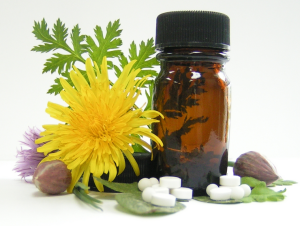 In 2003 I completed a medical textbook with the purpose of answering this question. As that text could not fully answer the question, my attempt here will be more than a little bit simplistic but hopefully worthy of your attention.
Most essential to homeopathy is the philosophy inherent in the name homeopathy meaning “like suffering”. This principle is also called “the doctrine of similars” or using likes to cure likes. As an approach to healing, this method predates the birth of the “founder” of homeopathic medicine by millennia. Likes have been used to treat likes in many cultures for thousands of years. Hahnemann’s use of the principle as an essential component of his entire system was uniquely exclusive. In all other instances, the use of similars was only one part of a larger therapeutic system. Additionally, most often the use of similars was unintentional, founded on effectiveness not medical theory.
Conventional medicine was labeled “allopathic” medicine by homeopaths nearly 200 years ago because the symptoms are so frequently identified as the problem without looking further into the patient’s health. This is actually misleading though because, conventional medicine includes many examples of what homeopaths would describe as “homeopathic” treatments. Radiation and chemotherapy are known to cause cancer. Ritalin stimulates patients who are already ‘hyperactive”. In small doses aspirin is used to reduce fever but in large doses it raises body temperature. Similarly, herbal medicine as commonly practiced, includes both homeopathic and allopathic approaches.
Hahnemann was a conventionally trained physician whose practice initially was identical to that of his compatriots. He was a critical observer though and soon recognized the harm that bleeding and using poisonous doses of mercury, arsenic etc was causing his patients. He quit practicing medicine for a time and earned his living translating medical textbooks. Malaria was a big problem in Europe at the time and the conventional treatment was the alternative medicine learned from the natives of South and Central America quinine. One of the most authoritative medical writers claimed that quinine worked, in accord with the ancient Greek theory, because it was bitter and astringent. Irritated by this uncritical thinking, after all other bitter and astringent foods did not cure malaria, Hahnemann took some quinine to test the theory.
When Hahnemann took the quinine he was startled to experience the usual symptoms of malaria. When he stopped the quinine the symptoms disappeared. When he resumed the quinine the symptoms returned. Interestingly, we still have no conventional understanding of the mechanism of quinine action against malaria, only the homeopathic rationale.
This experience echoed his reading from the founders of medicine. Hippocrates wrote to “let likes cure likes” and Paracelsus’ Doctrine of Signatures spoke of the similarity between a patient and the plant or mineral needed to cure his disease.
Establishing the beginning of modern clinical pharmacology, Hahnemann began to test various substances on healthy people to learn what symptoms these agents produced. He then gave the medicines to patients based upon these indications.
Patients did not present to the homeopathic physicians suffering from all of the symptoms each homeopathically tested medicine was known to produce. However, when they began taking the homeopathic remedy, temporarily they did develop these other symptoms. Hahnemann then decided to give the patients less of the medicines hoping to reduce these temporary side effects. At some point, for reasons he did not document, Hahnemann began to use a process of serial dilution and succussion (pounding the diluted remedy on a table). Paradoxically, it seemed to Hahnemann and to most homeopaths since that time, that these diluted medicines worked even better than the undiluted ones.
As these dilutions are carried to an extreme, many physicians simply stop considering the possibility that homeopathy might be effective as soon as they learn of this method. While critical thinking is always wise, there is considerable clinical research evidence demonstrating effectiveness of homeopathy as well as basic science findings which might explain how these super dilute medicines could retain biological activity.
Single Remedy
Another principle of classical homeopathy is to use one homeopathic remedy at a time. Many remedies are made from complex natural sources containing many chemical constituents (whole plants for example). The remedy made from this complex source is tested as a whole entity. For example, calcium has many salts and remedies made from each of them have been tested on people to ascertain their characteristic pattern of symptoms. Phosphorus has one set of symptoms but Calcarea phophorica has a complex of symptoms all its own.
The homeopathic remedies you purchase in a health food store are usually combinations of homeopathic remedies. They have almost never been tested to determine definitively what the indications are for their use. They are designed by guesswork based upon individual components. While they may work, and eventually some have demonstrated effectiveness in clinical trials as well as clinical experience, many homeopaths are uncomfortable with the speculative nature of this approach.
Homeopathic Philosophy
One my favorite aspects of homeopathic medicine is its underlying philosophy of medicine. The Law of Cure applies to all healing interventions and tells us how to determine if the response to a treatment will be beneficial or suppressive. Homeopaths have a hierarchy of symptoms which formally recognizes the relative importance of mental symptoms compared to physical ones. Many homeopaths carry this hierarchy further believing that spiritual well-being is an essential component in health. Homeopathic philosophy has important lessons for all of us including;
- Respect for the bodies own healing processes
- Avoiding needless medication
- Recognition that every individual patient is unique
Further Reading
There are many options for those of you who wish to learn more about Homeopathy. If you feel up to reading a medical textbook, of course I think the new text I edited and principally authored is the best reference. CLASSICAL HOMEOPATHY - Fundamentals for Health Professionals, 2003, Elsevier.
My other favorites include books by George Vithoulkas, Jennifer Jacobs, Wayne Jonas, Dana Ullman and the husband-wife team of Judyth Reichenberg-Ullman and Robert Ullman.



 The mission of this site is to inform and empower you. Representing the sum of my experience as well as the latest clinical research, my perspective is often somewhat at odds with the simplistic articles appearing in the media. Applying the information here you can become healthier, stronger and hopefully happier. Look around and let me know what you think.
 Best,
Michael Carlston, M.D.