We have good news suggesting a simple means to prevent the most common life-threatening cancer among men - prostate cancer. As part of the Harvard Health Professionals Follow-up Study, a well-designed 18 year observation of 32,000 men, recently confirmed previous findings that frequent sexual activity lowered the risk of prostate cancer considerably. (20% for those who were active 21 or more times a month averaged in their 20s, 40s and just before study closure, whatever age they had reached.) Figures show that 14% of American males will develop prostate cancer, so this is probably an important and useful finding. Why only “probably”? Well, it could be that men who have sex more often are different to begin with. Their hormones or some other factor leading them to have sex more often than other men, also make them less likely to develop cancer. In other words, it might be that frequent sexual activity is one consequence of some other factor leading to lowered prostate risk, not the cause of that decreased risk. A man’s risk of prostate cancer risk is influenced by his family history, but of course, you can’t change who your parents are. The link between frequent ejaculation and lowered risk of prostate cancer is convincing. So, even though we can’t yet prove cause and effect, sexual behavior is now the strongest known modifiable risk...

More and more and more children are being diagnosed with Attention Deficit Hyperactivity Disorder (ADHD) in this country. The rates are far too high, crazily so in some parts of the USA. Once diagnosed, the customary response is to medicate the kids. Not good. As troublesome as it is, this is only one aspect of a larger pattern of dysfunction. It is very interesting that the regions of the USA with the highest rates of ADHD are the same regions with the highest levels of narcotic pain prescriptions given to adults. That is not good either, but at least that reality is recognized as a problem by government and medical authorities. The government is clamping down on abuse of prescription pain pills. We also need to put the brakes on the rising tide of overmedicating our children. Overuse of medication is a cultural issue. There is a widespread, but false, belief that our children need to be drugged. It is wrong, harmful to so many, and yet another example of our tendency - doctors, parents, teachers and society alike to overlook the basic health habits that are better than medicines. Kids get fidgety if you confine them, for example, in a chair in a classroom. That fidgeting then earns them the ADHD label and a prescription to stop their squirming. Drugging a child so that he behaves just the way you want him to behave is not the answer. What is the cure? Well, moving (i.e., exercise) is part of it. That shouldn’t be so hard to figure out. Many studies show that these kids are better from exercise. We all know that exercise is good for everyone. The impact on these children is more than that generally positive effect. Research shows that kids with ADHD in fact experience more benefit from exercise than other children. My experience is quite convincing. The great majority of children taking medication for ADHD do better without medication. Diet, exercise, and addressing other health issues go a long way towards helping these children become successful in school and life. The simple reality that some kids (and adults) need to move more than others, must be recognized rather than suppressed. Teachers, parents and doctors need to look at each child as individuals and learn to help each child specific to her own nature, abilities and challenges, rather than medicating problems away. The “medicating” approach can be necessary in some few and unfortunately damaged cases. At best medication manages. It does not cure. The other approaches,...
Posted by
Michael Carlston on Jul 18th, 2014 in
Cancer |
2 comments 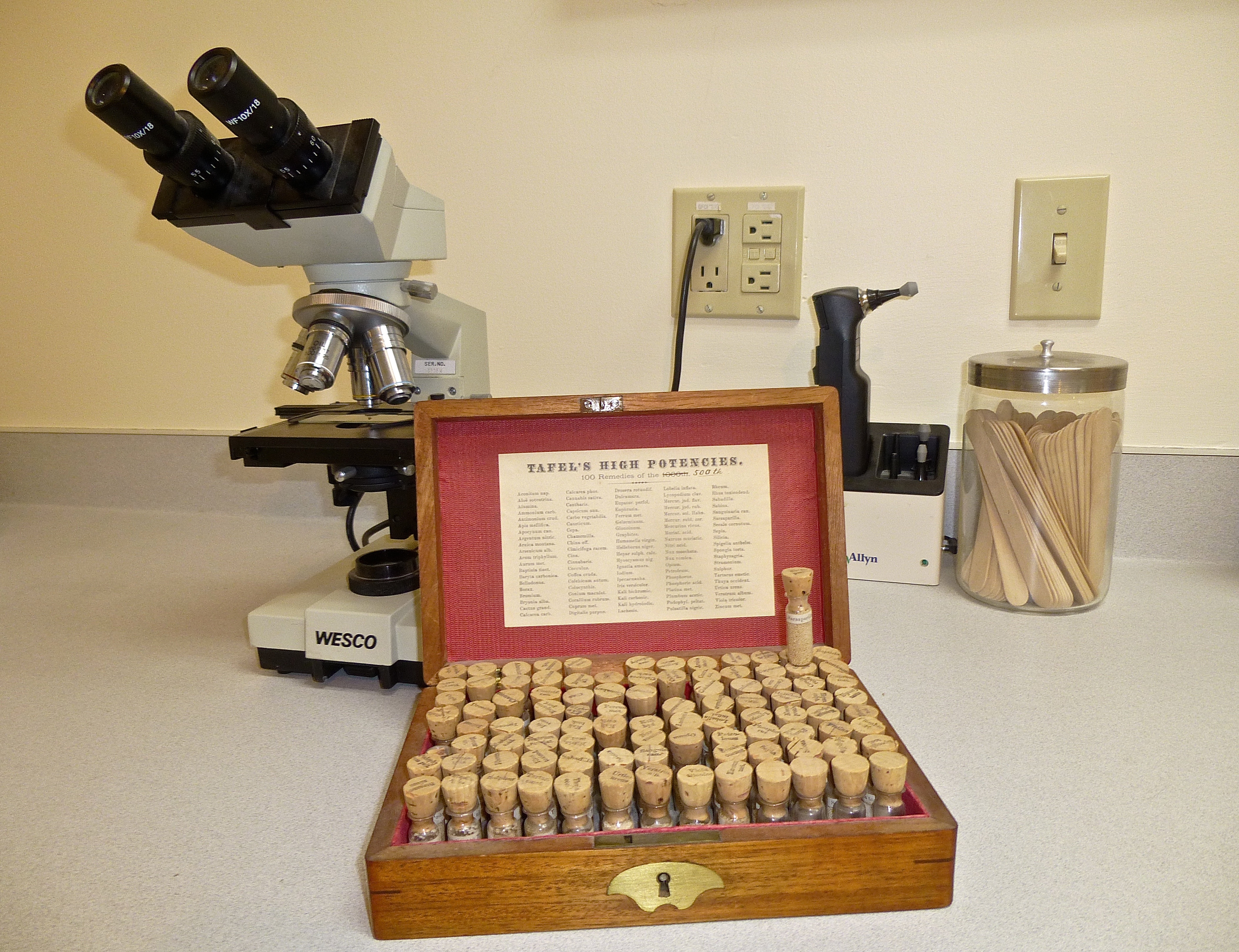
Even before weathering the onslaught of information and propaganda that is also known as medical school, like anyone else in America, I knew that there were “quacks” out there, who deceived the innocent with their “snake oil” treatments. This perception was so well established that it was evident even in old Westerns. The “medicine show” was stock element, orchestrated by the drunk and dishonest “doctor”. It was a colorful, simple and effective image. Not too many young folk thought: “Wow! Sign me up! That’s the career for me!” This presumption of “alternative healers are dishonest” is not merely a juicy theatrical image. It is real and sometimes personal. I know about the personal side of it. My own critical attitude about the limitations of conventional medicine made me a lightning rod for criticism, controversy and often intense pressure to step back in line or “get the heck out of Dodge”. This very personal pressure would have been unendurable had I not been so determined and sustained by the truth that the criticism was absolutely justified and badly needed. Thankfully, over time, some prejudices at least are overcome by shifting attitudes. Although it moves too slowly forward, science does eventually progress and, low and behold, unexpectedly, MANY of these alternative ideas turn out to be valuable and sometimes invaluable. Personally, I am fortunate because (for the most part) I eventually came to be viewed as a pioneer instead of a misguided crazy person or a crook. The most self-righteous and withering denunciations of alternative therapies are pointed at those treating cancer patients. After all, what better proof could there be of the essentially evil intent of these quacks than how they take advantage of people who are most desperate for a cure? Just like conventional treatments, every alternative will not work sometimes and some are unlikely to ever work. Statistically there must be crooks out there (just like in conventional medicine and big pharma) knowingly making a buck off of the sick and desperate. However, this story of the evil quack is a fable, a tall tale or even propaganda some times. As an outlier in my profession, many people have come to me looking for something different. They have taught me from their response to my treatment but also from their recounting of experiences they had before entering my practice. I have learned that there are a lot of people who have recovered from cancer when they just should not have done so. The unexpected can occur. Radical remission is...

Another study shows a powerful association between taking multiple vitamin supplements (MVM) and better health. The largest study ever conducted of multiple vitamin use in postmenopausal women with breast cancer found a strong linkage between MVM use and better prognosis. The Women’s Health Initiative is a massive study (over 161,000 American women) providing us insight into a broad range of lifestyle factors, health and diseases. Whenever you learn of some major discovery on women’s health, the odds are high that WHI data are the source of the groundbreaking research. Investigators studied the 7728 women in the WHI who were diagnosed with invasive breast cancer and followed them for over seven years. About 38% of the women diagnosed with invasive breast cancer were taking an MVM. Those women were 30% less likely to die of their invasive breast cancer than the women who were not taking an MVM. Studies like this are always open to question because association does not prove causation. What are the uncertainties in this study? Women who take an MVM often have other good health habits. Could those other habits explain their improved chances against their cancers? Investigators worked diligently to exclude these sources of confusion. They analyzed the data, digging out the protective effects of age at time of diagnosis, alcohol use, depression, diabetes, education level, hormone characteristics of the tumor, physical activity, race/ethnicity, self report of health status, smoking status and weight. Even after carving out all of these confounders, nearly every known risk factor for breast cancer, the beneficial association with MVM use held up. Women in this study had started taking MVM supplements before they developed breast cancer. Only postmenopausal women were studied. MVM supplements might not help women who start taking MVMs after they are diagnosed or premenopausal women. Of course, MVMs might help those women even more. We do not know yet. Even IF there is some unidentified protective factor more common among women using MVMs, the impact is so big (30% reduction in deaths), that it appears very unlikely to disappear. This is another excellent reason to take an MVM, especially a good...




 The mission of this site is to inform and empower you. Representing the sum of my experience as well as the latest clinical research, my perspective is often somewhat at odds with the simplistic articles appearing in the media. Applying the information here you can become healthier, stronger and hopefully happier. Look around and let me know what you think.